Sporting clubs and youth organisations should be safe places for children to learn, play, and belong. Coaches, leaders and volunteers are often trusted by whole families. When that trust is broken, the impact can last for many years.
Many survivors only feel ready to speak up as adults. If that is you, or someone you care about, this article explains how legal claims work in NSW, what options may be available, and how to take a first step at your own pace.
Why many survivors wait
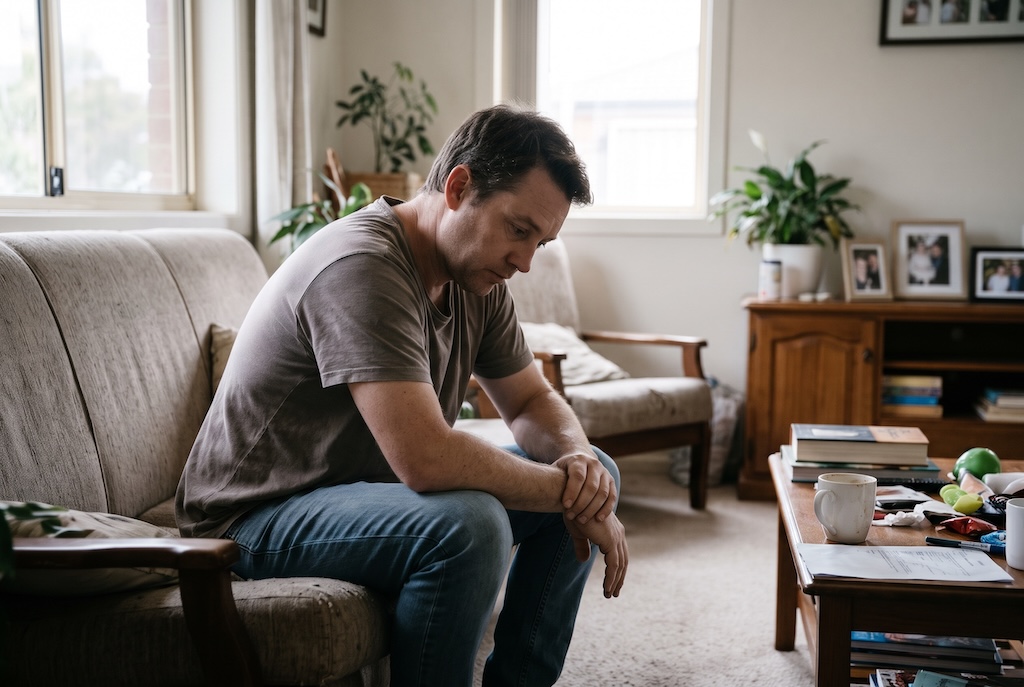
It is common for survivors to wait years, even decades, before speaking about abuse. Shame, fear of not being believed, loyalty to a club or community, and the effects of trauma can all play a part. None of this affects your right to seek advice, and there is no right or wrong time to come forward.
Which organisations can be held responsible?
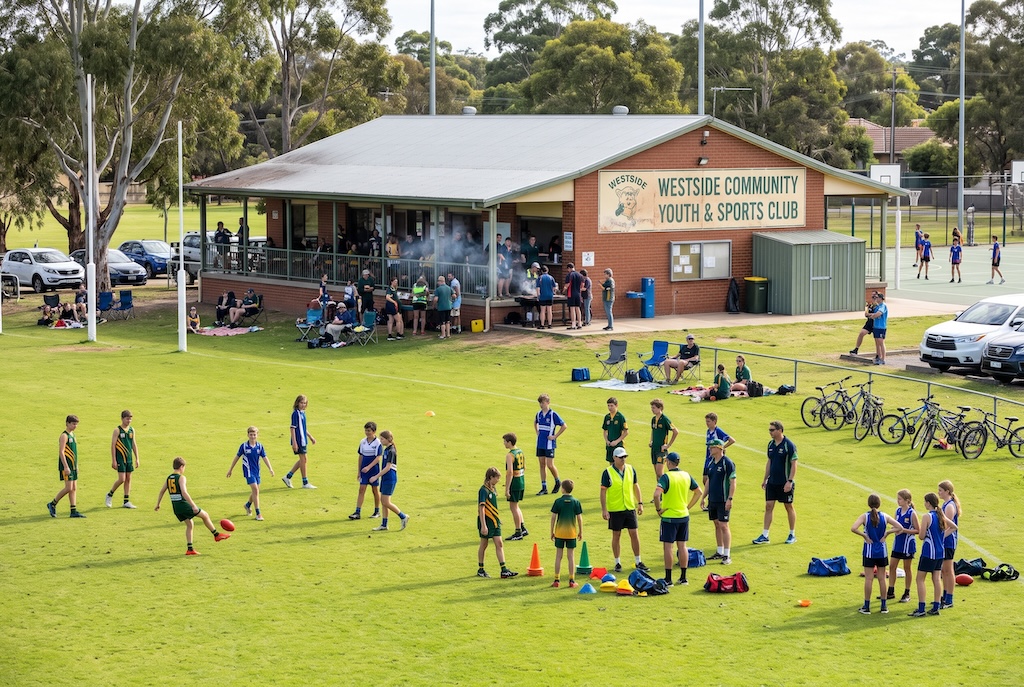
A claim can arise from abuse in many settings, including sporting clubs, junior leagues, swimming and dance clubs, scouts and guides, community youth groups, camps and after-school programs. What matters is whether the organisation had care, supervision or authority over the child.
For abuse on or after 26 October 2018, NSW law sets out a clear duty. An organisation responsible for a child must take reasonable precautions to prevent abuse by people associated with it, such as employees, volunteers and contractors. If abuse occurred, the organisation is presumed to have breached that duty unless it can show it took reasonable precautions.
Earlier abuse can still be pursued. Those claims generally rely on other legal principles, such as negligence and vicarious liability, which a lawyer can explain.
What if the club or group is not a registered company?
Many clubs and youth groups are unincorporated, which means they are not a separate legal entity. Since 1 January 2019, NSW law has allowed survivors to bring a claim against an unincorporated organisation. The organisation can appoint a suitable person or entity as its proper defendant. If no one is appointed within 120 days of being served, the court can step in. This helps make sure survivors are not left without anyone to bring a claim against.
Your two main options
A civil claim
A civil claim asks a court to award compensation for the harm caused. In NSW, there is no time limit for civil claims involving child abuse, which includes child sexual abuse and serious physical abuse. Unlike redress payments, civil compensation has no fixed maximum. It is assessed on the evidence, including the effect on your health, relationships, education and ability to work.
The National Redress Scheme
If the abuse happened before 1 July 2018 and the organisation has joined the scheme, you may be able to apply for redress. Sporting clubs are among the institutions the scheme covers. Redress can include a payment of up to $150,000, access to counselling and psychological care, and a direct personal response. Applications close on 30 June 2027.
You can check whether an institution has joined on the National Redress Scheme website. If you name an institution that has not joined, it is given six months to sign up. Accepting an offer of redress generally means you cannot later sue that institution over the same abuse, so it is wise to get independent advice first.
What evidence can help?
You do not need perfect proof to speak with a lawyer. Many survivors worry that too much time has passed. Records can often be found, and a lawyer can help look for them. Useful material can include:
- Club or team registration and membership records
- Team lists, photos, newsletters and competition draws
- Messages, emails or social media contact
- Complaints or concerns raised by you or others at the time
- Medical, counselling or school records
- Names of coaches, officials, teammates or other families who may remember
Consider speaking with a lawyer before contacting the club or other people involved.
What to expect
Your first conversation is confidential. You decide what to share and when, and you can pause at any time. We explain each step and the likely timeframes in plain English. Many claims resolve through negotiation or mediation, and steps can be taken to protect your privacy.
If you need to talk to someone now, Blue Knot Foundation’s helpline is on 1300 657 380, and Lifeline is on 13 11 14. knowmore, a free legal service for survivors, is on 1800 605 762.
Frequently asked questions
Do I need to have reported the abuse when it happened?
No. Many survivors did not tell anyone at the time. A late disclosure does not stop you from seeking advice or making a claim.
What if the club no longer exists?
A claim may still be possible. In some cases, organisations that replaced or took over from the original club may be responsible, and a lawyer can investigate.
What if the person who abused me has died?
A claim against the organisation may still be possible. A lawyer can explain how this works in your situation.
Does the law cover volunteers?
Yes. For abuse from 26 October 2018, NSW law recognises volunteers and contractors, as well as employees, as people associated with an organisation.
Will my identity be protected?
Processes protect survivor privacy in court proceedings. We discuss these with you at the start.
How AJB Stevens can help
AJB Stevens is a Sydney sports club abuse lawyer and litigation firm small enough to care and big enough to fight. Our lawyers take a trauma-informed approach and will never rush you. We can explain your options, help find records, and guide you through a civil claim or the National Redress Scheme before it closes on 30 June 2027.
Contact AJB Stevens for a free, confidential consultation.
This article provides general information only and is not legal advice. Every situation is different, so please speak with a lawyer about your circumstances.