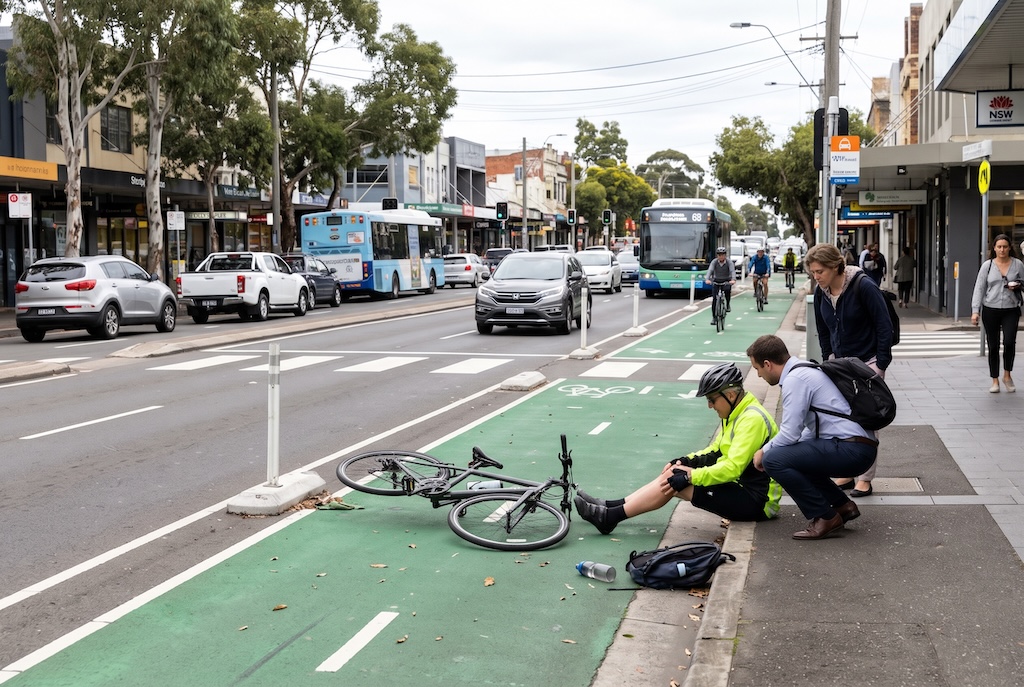
Sydney has more bike lanes and shared paths than ever. When they are well designed and maintained, they make riding safer. Otherwise, a pothole, broken drain cover, loose surface or poorly marked hazard can bring a rider down in seconds.
If you were hurt, you may be wondering whether a council or another authority can be held responsible. The answer depends on several factors, including who looks after the path and whether a motor vehicle was involved. This article explains how claims like this work in NSW.
Who is responsible for bike lanes and paths in NSW?
Local councils maintain most local roads, on-road bike lanes, footpaths and many shared paths. Transport for NSW is generally responsible for state roads and the paths attached to them. Some are managed by universities, private owners or park authorities.
Working out who was responsible for the exact spot where you fell is one of the first steps in any claim. A lawyer can help you identify the right organisation.
Is it a CTP claim or a public liability claim?
It depends on whether a motor vehicle was involved.
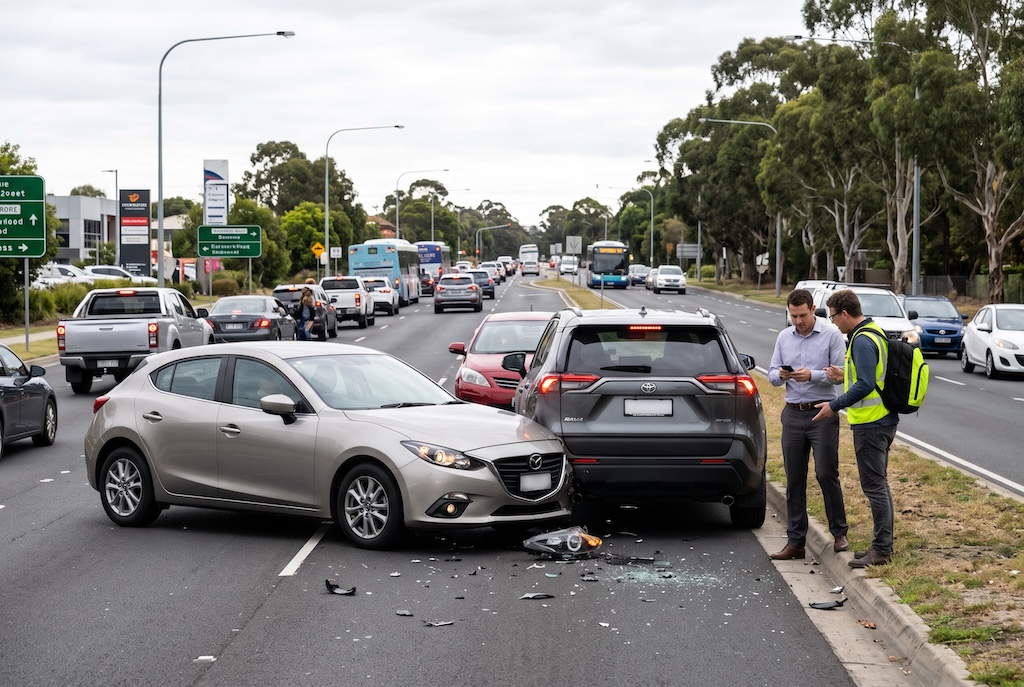
- If a car, truck or motorbike hit you, or its driving caused you to crash, your claim is generally made through the NSW CTP scheme. Cyclists can access statutory benefits regardless of fault.
- If you fell because of a defect in the path and no vehicle was involved, the claim is usually a public liability claim against the responsible authority, based on negligence.
Sometimes the facts sit between the two. For example, a rider may swerve to avoid a hazard and be hit. In that case, more than one party may be responsible.
What do you have to prove against a council?
To succeed, you generally need to show that the authority owed you a duty of care, that the risk was foreseeable and not insignificant, and that a reasonable authority would have taken steps to deal with it. Courts also consider an authority’s resources and competing priorities.
Road authorities have an extra hurdle. Under the Civil Liability Act 2002 (NSW), a roads authority is generally not liable for failing to carry out road work, or to consider carrying out road work, unless it had actual knowledge of the particular risk that caused the harm. Courts have taken a narrow view of what counts as actual knowledge.
Evidence that the authority knew about the hazard, such as earlier complaints, maintenance records or inspection reports, can make a real difference.
What evidence can help your claim?
- Photos and video of the defect from several angles, with something for scale such as a coin or tape measure
- The exact location, ideally a GPS pin or street address, plus the date and time
- Photos of your bike, helmet, clothing and injuries
- Names and contact details of any witnesses
- Medical records from your first visit onward
- Any report you made to the council or police
- Notes on weather and lighting conditions
if possible, keep your bike in its current condition and avoid repairs until a lawyer has advised you. A lawyer can also request council records, including complaints and maintenance histories, through formal information requests.
How your own actions can affect a claim
Courts can reduce compensation if a rider contributed to their own injury. Helmets are compulsory for riders in NSW, and riding without lights at night or at an unsafe speed can also be raised. These points can reduce a claim, and each case turns on its own facts.
Time limits and thresholds
- In many public liability claims, the general time limit is three years from when you knew, or should have known, about your injury and its cause. Shorter or different limits can apply in some situations, so do not wait.
- CTP claims have their own strict deadlines, including lodging a claim for statutory benefits within 3 months of the accident.
- For pain and suffering in public liability claims, NSW law requires the injury to meet a minimum level of severity before compensation can be awarded.
What to do after a cycling injury
- Get medical help, even if your injuries seem minor at first
- Photograph the scene and the defect before anything changes
- Report the incident to the council or authority, and to police if a vehicle was involved
- Collect witness details
- Keep records of costs and time off work
- Speak with a lawyer before giving a recorded statement or signing anything
Frequently asked questions
Can I claim if no car was involved?
Possibly. A public liability claim against a council or other authority may be available if its negligence caused your injury. There are legal hurdles, so early advice is important.
Do I have to report the fall to the council?
There is no general rule that you must report it before claiming, but reporting promptly creates a record and can help protect the next rider. Many councils have their own claim forms.
What if I was not wearing a helmet?
You may still be able to claim, but your compensation may be reduced if not wearing a helmet contributed to your injuries.
Does it matter if I was on a shared path or on the road?
Yes. It affects which authority is responsible and which claim scheme applies.
How AJB Stevens can help with a cycling infrastructure accident claim NSW
Our experienced lawyers understand both CTP claims and public liability claims, and we can determine which path suits your situation. Our Resolution Plus+ claims management system keeps your matter moving and you informed.
Contact AJB Stevens for a free initial consultation. We will assess your situation and clearly explain your options. We also offer No Win No Fee representation.
This article provides general information only and is not legal advice. Every situation is different, so please speak with a lawyer about your circumstances.