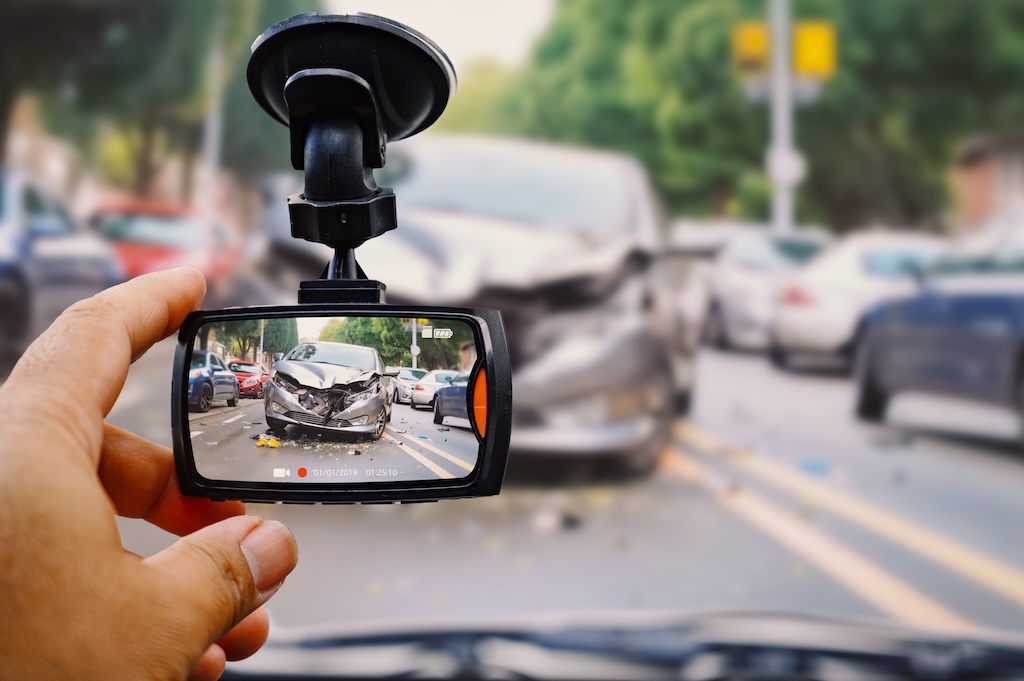
With well over 20 million vehicle registrations across Australia, our roads have never been busier. The busier the roads are, the more likely an accident occurs, and the more likely you are to encounter someone driving without insurance or willing to lie to save their own skin. With the rise of insurance disputes, social media pitfalls, and growing safety concerns, many Australian drivers are turning to dash cams to protect their rights when pursuing motor vehicle accident compensation.
Surge in Australian Dash Cam Users
With a steady increase in accidents and fatalities on our roads, October 2025 being more deadly than the average of the five years prior, more drivers are turning to dash cams to protect themselves. Currently, around 25% of Australians have a dash cam in their primary vehicle, with a fifth reporting repairs due to accidents in the prior year.
Dash cam is an objective piece of evidence that shows the sequence of events from your perspective, and not only could it prove that you weren’t at fault, but you could also use it to help someone else out of a bind. Camera evidence of the event bolsters your evidence for making a motor vehicle accident claim.
Why Dash Cam Footage Can Be Key In Compensation Claims
Dash cam footage can prove key in compensation cases by providing the insurance company and police with real-time, unbiased evidence to help reconstruct the events leading to the accident and establish fault. Additionally, you can use dash cam footage to support a claim involving a hit and run incident, a dangerous driving event, motor vehicle accidents, or accidents involving pedestrians, cyclists, or motorcyclists.
There is less likely to be disputes in the settlement process when you have dash cam footage. If you have been in an accident and have dash cam footage, speak to motor vehicle lawyers before you file your claim. The more information and evidence you can furnish your motor vehicle accident lawyers, the stronger your case will be.
How Dash Cam Footage Can Support Your Motor Vehicle Accident Claims
Determining fault and liability is key to the motor vehicle accident claims process, as per the Motor Accident Injuries ACT 2017 (NSW). It’s also crucial to the CTP scheme as well. Dash cam footage can influence decisions regarding injury claims, liability assessments, and resolving disputes.
Additionally, you may be able to expedite the insurer’s decision by providing footage.
Is It Admissible Under Australian and NSW Law?
Dash cam footage is admissible in NSW (and Australian) courts as long as it was lawfully obtained and it’s relevant to the matters at hand. Under the Evidence Act 1995 (NSW), the footage must be authentic; any signs of tampering could render it inadmissible.
New South Wales doesn’t prohibit recording in public, so dash cams don’t breach any privacy concerns. The Surveillance Devices Act 2007 (NSW) does not prevent the use of dash cams in public road settings. The police commonly rely on dash cam footage in their inquiries, and insurers also use dash cam footage in their claims investigation process.
The Limitations
A dash cam can protect you, but they do have limitations. For example, night visibility can present an issue, as can obstructed views or low-quality footage from a cheap dash cam. If the footage doesn’t capture the moments in the run-up to the accident, it may be deemed irrelevant, unless there’s footage from other vehicles to piece together the sequence of events.
Additionally, challenges include overwritten files or memory card corruption, disputes over the context of an accident, which is why high-quality footage is so key. Of course, there may be cases where someone’s dash cam footage harms their case instead of helping.
Act Quickly
In the event of an accident, you need to act quickly. You want to access the footage as quickly as possible to ensure it isn’t automatically overwritten or lost. Ideally, have an external storage device to ensure footage is stored safely. You never know when your dash cam could have caught something else you may want to check back for. Motor accident lawyers can make a case with dash cam footage, so safe storage is paramount.
It’s smart to speak to a motor accident lawyer in Sydney, but delaying getting in touch with your insurer could complicate issues, so you must follow your policy guidelines. According to New South Wales, you need to report any accident with an injury to the police within a reasonable timeframe.
Dash Cam User Rights & Responsibilities
Most footage you capture on a New South Wales road will be lawful, but ensure you place the dash cam somewhere that won’t obstruct your view. Consult the NSW Road Rules for placement guidelines. The police can request your footage, whether it’s an accident you were involved in or not. If you don’t wish to provide it voluntarily, it can be subpoenaed.
How Dash Cam Footage Can Influence Injury Compensation
Dash cam footage can clear up the events surrounding the accident to settle the matter quickly, and stronger evidence can also lead to larger settlements by demonstrating the severity of the accident. Additionally, you can use the dash cam footage for any secondary claims, whether it’s related to property damage, economic loss, or a psychological injury.
How AJB Stevens Motor Vehicle Accident Lawyers in Sydney Use Dashcam Footage
If you have recently been in a motor vehicle accident, get in touch with the team at AJB Stevens. We will sit down with you for a free consultation and review the footage to assess liability. We will help you interpret the footage and line it up with the rest of the evidence to build a case to ensure your claim is successful and adequate. The stronger the evidence, the smoother the negotiations will go with the insurers, no matter what story the other driver tells.
At AJB Stevens, we’ll guide you through the claims process, show you how to store your footage safely, and show you how to submit.