Thousands of people rely on buses, trains and light rail across Sydney every day, and accidents can and do happen, whether that is a sudden stop, a slip while boarding, or a collision involving the vehicle itself. At AJB Stevens, we help people injured on public transport understand their rights and claim the compensation they are entitled to.
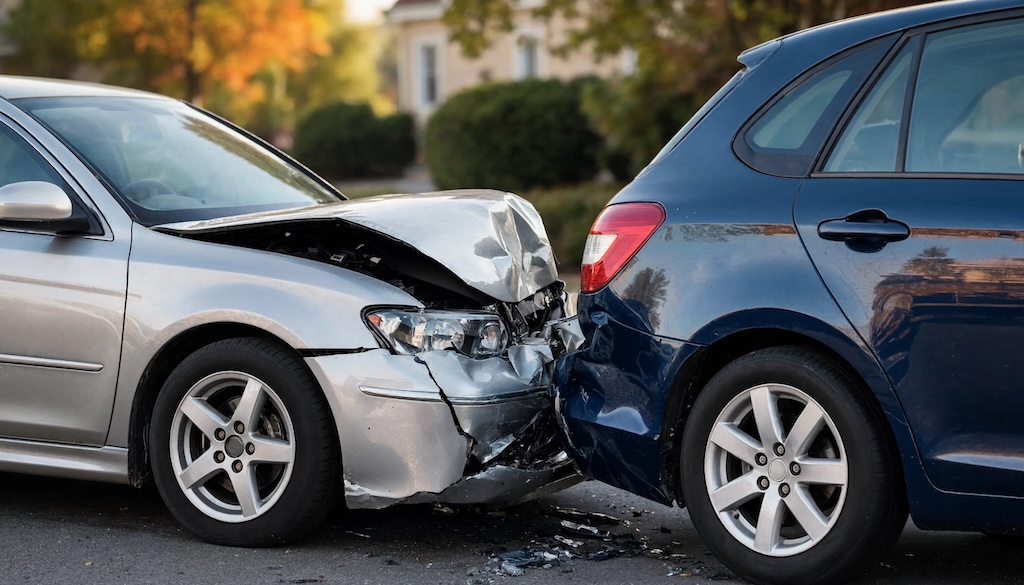
Injuries sustained while driving or through driver negligence
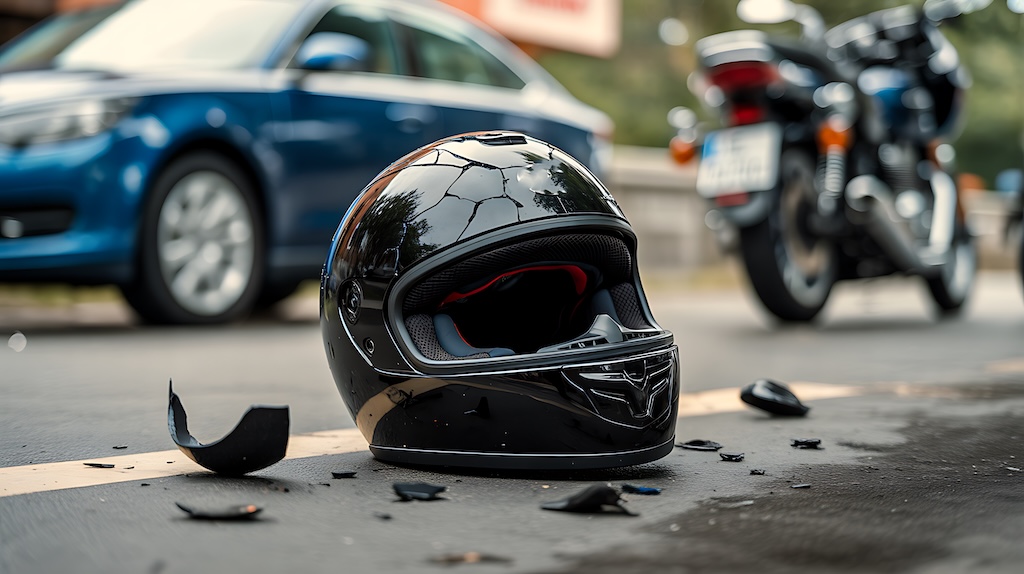
Injuries sustained while riding, including cases where liability is disputed.
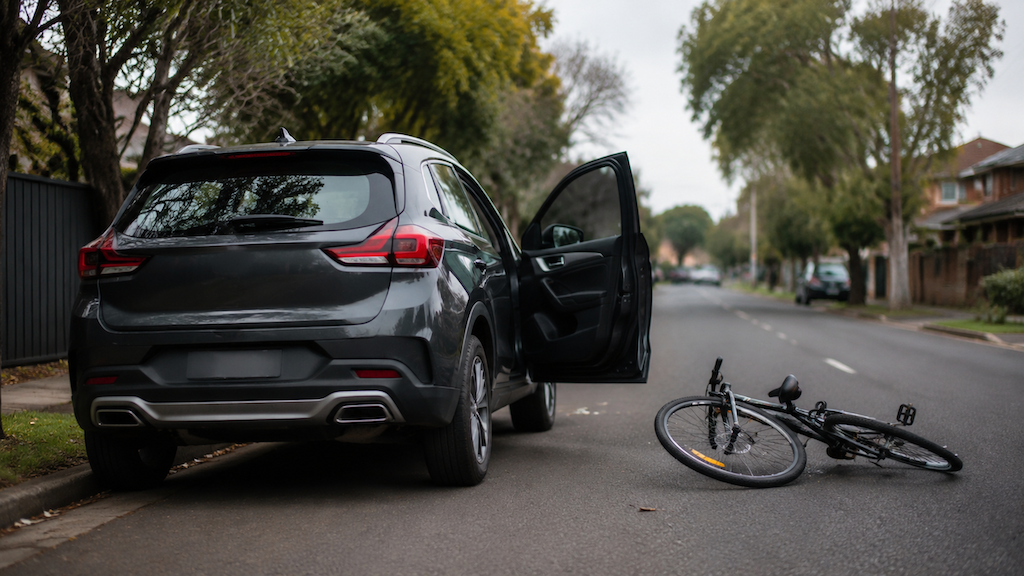
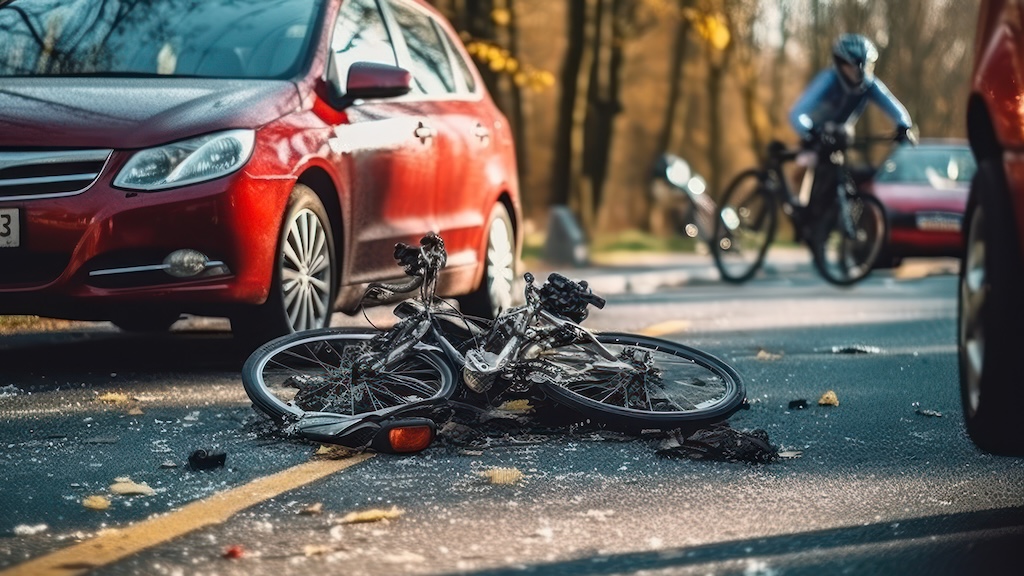
Injuries sustained while cycling, including collisions with vehicles and car doors.
Injuries caused by trucks, buses and other heavy vehicles.
Injuries sustained while walking or crossing the road.
Injuries sustained on a bus, train or light rail service.
What to do when the other driver cannot be identified or was not insured.
If you answered yes to any of these questions, you may be entitled to compensation. Public transport claims can involve different insurers and processes depending on exactly how your accident happened, and our team can guide you through this clearly.
Falls on public transport often result in fractures, particularly wrist and hip fractures, head injuries, and soft tissue injuries. Because many passengers affected are elderly or travelling with young children, the impact of even a seemingly minor fall can be significant.
A Typical Outcome (Details Changed to Protect Privacy)
A delivery driver was injured when a interstate registered truck merged into his lane without indicating. Because the truck was registered in another state, our team identified the correct CTP scheme and insurer early, avoiding delay in getting his statutory benefits claim underway.
How a public transport claim works depends on exactly how your accident happened. If you were injured in a collision involving a bus, this is generally treated as a motor vehicle accident under the Motor Accident Injuries Act 2017, and you can usually make a claim through the bus’s Compulsory Third Party insurer, in the same way as a passenger in a car.
Where your injury happened without a collision, for example, a fall caused by sudden braking, there are two possible characterisations. Because the injury arises from the driving of a registered motor vehicle, it may still fall within the CTP scheme as a motor accident. Alternatively, it may be treated as a public liability matter against the relevant transport operator, since it relates to their duty to keep passengers safe. Which applies can depend on the specific facts, and AJB Stevens’ position on this should be confirmed by a supervising solicitor before being stated definitively to a client. Train and light rail accidents without a collision are generally assessed as public liability matters, since rail vehicles do not fall under the CTP motor vehicle scheme in the same way as road vehicles.
Because the correct claim pathway depends on the specific facts of your accident, it is genuinely important to have this assessed properly from the outset, so your claim is directed to the right party and process. See our page on
Public Place and Occupier Liability for more on how a public liability claim works.
| Motor Vehicle Accident Claims: The Key Numbers | |
|---|---|
| Report to police |
Within 28 days of the accident, unless a police officer attended the scene. Call the Police Assistance Line on 131 444. |
| Lodge a statutory benefits claim |
Within 3 months of the accident. To have weekly payments backdated to the day after the accident, claim within 28 days. |
| Threshold injury benefits |
Generally available for up to 52 weeks from the date of the accident. |
| Weekly payment rates |
Up to 95% of your pre-accident earnings for the first 13 weeks, then up to 85% (or 80% if you have no current work capacity) from week 14 to week 78, subject to the maximum weekly amount set by SIRA. |
| Non-economic loss (pain and suffering) |
Only available if your permanent impairment is greater than 10% whole person impairment, assessed under SIRA’s medical guidelines. |
| Non-economic loss maximum |
$712,000 as at 1 October 2026. This cap is indexed by SIRA every 1 October, so the current figure should be confirmed before publishing. |
| Earliest a damages claim can be made |
Generally not before 20 months after the accident, unless your permanent impairment is greater than 10% or the claim relates to a death. |
| Final time limit for a damages claim |
3 years from the date of the accident. |
| Disputes |
Handled by the Personal Injury Commission, which took over this role from the former Claims Assessment and Resolution Service and Medical Assessment Service in March 2021. |
The claims process for a public transport accident varies depending on whether it involves a collision or another type of incident. For a motor accident claim, the same 28 day police reporting window and 3 month statutory benefits claim period apply as for any other motor vehicle accident. For a public liability claim against a transport operator, a claim must generally be brought within 3 years under the Limitation Act 1969 (NSW), although specific notice requirements can apply to claims against government transport agencies and should be confirmed as early as possible. In either case, report the accident to transport staff or the operator at the time if possible, seek medical attention, and gather any available evidence, such as CCTV footage, incident reports or witness details, as CCTV in particular is often only retained for a limited period.
Compensation for a public transport accident depends on the severity of your injuries, the nature of the incident and who is found responsible, your loss of income, your treatment and rehabilitation costs, and, where relevant, your permanent impairment percentage. Because these claims can follow different legal pathways depending on the circumstances, an individual assessment is essential to understand your full entitlements.ssment is essential.
If you have been injured while using public transport in a motor accident, here is what you may be entitled to claim. If your claim is instead a public liability matter, similar categories of loss generally apply, though the framework differs slightly:
Statutory benefits are available to anyone injured in a motor vehicle accident in New South Wales, regardless of who was at fault. These include:
For a threshold injury, such as most soft tissue injuries, these benefits are generally available for up to 52 weeks. For a more serious, non-threshold injury, benefits can continue for longer, particularly where a damages claim is in progress.
If someone else was at fault for your accident and your injury is more serious than a threshold injury, you may also be entitled to a lump sum payment of damages. This can include:
Because these entitlements depend heavily on how your injury is assessed, the best way to understand what you can claim is to have your case reviewed individually by our team.
Each case is different and unique in its own right. Seeking the help of AJB Stevens will ensure that you receive the compensation and entitlements you deserve, so you can focus on getting your life back on track.
Complete our online enquiry form below and speak with an experienced Senior Lawyer today.
Thousands of people rely on buses, trains and light rail across Sydney every day, and accidents can and do happen, whether that is a sudden stop, a slip while boarding, or a collision involving the vehicle itself. At AJB Stevens, we help people injured on public transport understand their rights and claim the compensation they are entitled to.
Each Divorce and Separation case is different and unique in its own right. Seeking the help of AJB Stevens will ensure that you receive the compensation and entitlements you deserve to help get your life back on track.
This may be possible, although whether your claim falls under the CTP motor vehicle scheme or a public liability claim against the transport operator depends on the specific circumstances, including whether the braking was reasonable given the road conditions at the time. Our team will review the details of what happened, including any available CCTV footage, to determine the strongest path forward for your claim.
Not exactly. Bus accidents involving a collision are generally treated as motor vehicle accidents under the CTP scheme, since a bus is a registered vehicle on the road. Train and light rail accidents without a collision typically fall outside this scheme and are usually assessed as public liability matters against the relevant transport operator instead. Because the process and time limits can differ, it is important to get advice specific to how and where your accident happened.
Report the incident to transport staff or the operator as soon as possible, and ask for an incident report to be logged if one is available. Seek medical attention, even if your injuries seem minor at first. Try to note down details such as the time, location, service number and any witnesses. If possible, request access to CCTV footage as early as you can, since this is often only retained for a limited period. Then contact AJB Stevens so we can assess your situation and advise on the right next steps.
Yes, and the exact time limit depends on which type of claim applies to your situation. Motor vehicle related claims, such as a bus collision, generally follow the same time limits as other CTP claims, including 3 months to lodge a statutory benefits claim. Public liability claims against a transport operator must generally be brought within 3 years under the Limitation Act 1969 (NSW), though claims against government transport agencies can carry additional notice requirements. Because of this, it is important to contact us as soon as possible after your accident rather than waiting.
Yes, if your injury was caused by unsafe conditions at a station, such as a wet or damaged surface, poor lighting or inadequate signage, you may have a public liability claim against the party responsible for maintaining that station. This is a different type of claim to a collision related CTP claim, and our team can explain exactly how it applies to your situation.
If you have been injured in a public place or on private property then AJB Stevens can help you claim the compensation you deserve.
If you have become a victim of medical negligence, AJB Stevens can help you claim the compensation you deserve.
If you have been injured in a public place or on private property then AJB Stevens can help you claim the compensation you deserve.
We pride ourselves on personalised and professional services to protect your rights. Our focus is your case and how we will win.