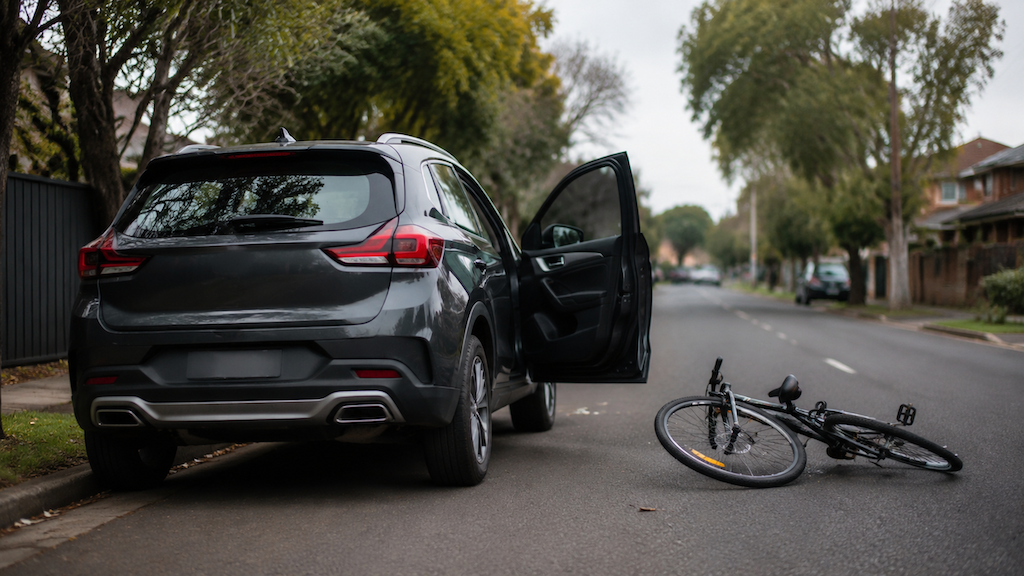
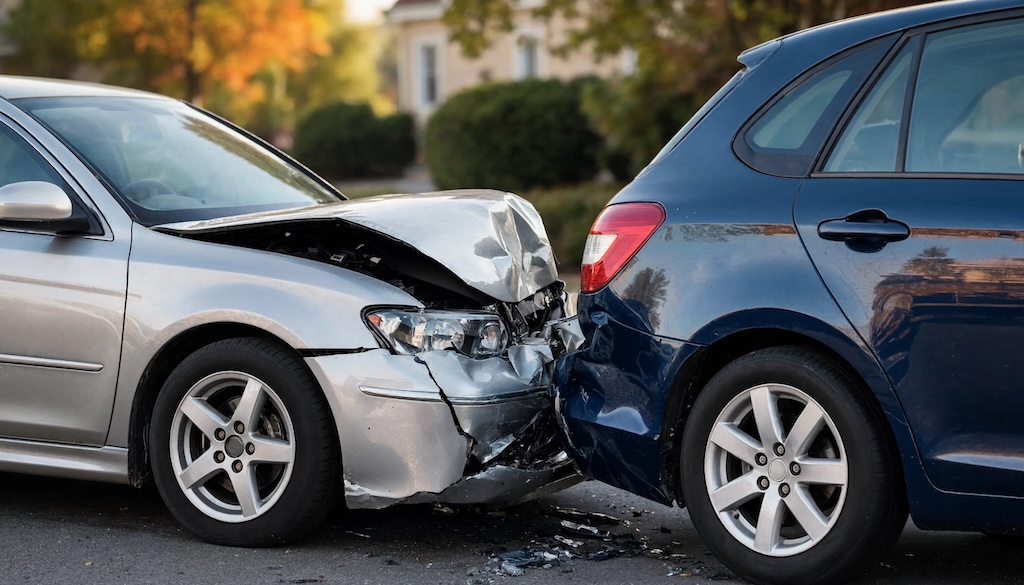
If you have been injured by a driver who fled the scene, could not be identified, or did not have valid insurance, it is easy to assume you are left without options. That is not the case. New South Wales has a specific scheme in place to protect people in exactly this situation, and AJB Stevens can help you understand how it applies to you.
Injuries sustained while driving or through driver negligence
Injuries sustained while riding, including cases where liability is disputed.
Injuries sustained while cycling, including collisions with vehicles and car doors.
Injuries caused by trucks, buses and other heavy vehicles.
Injuries sustained while walking or crossing the road.
Injuries sustained on a bus, train or light rail service.
What to do when the other driver cannot be identified or was not insured.
If you answered yes to any of these questions, you may still be entitled to compensation, even without a clearly identified insurer to claim against. Contact us today so we can explain your options.
Falls on public transport often result in fractures, particularly wrist and hip fractures, head injuries, and soft tissue injuries. Because many passengers affected are elderly or travelling with young children, the impact of even a seemingly minor fall can be significant.
A Typical Outcome (Details Changed to Protect Privacy)
A client was sideswiped by a vehicle that failed to stop, leaving her with a shoulder injury. She had recorded part of the other vehicle’s registration on her dashcam and spoken to a nearby witness at the scene. This evidence was enough to satisfy the due inquiry and search requirement, and her claim proceeded against the Nominal Defendant.
Compulsory Third Party insurance is designed to compensate people injured by another vehicle, but this raises an obvious question. What happens if the vehicle that caused your injury cannot be identified, was not registered, or did not have valid insurance? New South Wales addresses this through a scheme called the Nominal Defendant.
The Nominal Defendant effectively acts as the insurer of last resort in these situations, standing in for the insurance company that would otherwise be responsible. This means that even if the driver who caused your injuries cannot be found, or was driving without insurance, you are not automatically prevented from making a claim.
This applies to a range of situations, including hit and run accidents where the other driver did not stop, accidents involving an unregistered vehicle, and accidents where you genuinely cannot identify the vehicle or driver involved, for example if you were sideswiped and the other vehicle continued on without stopping.
| Motor Vehicle Accident Claims: The Key Numbers | |
|---|---|
| Report to police |
Within 28 days of the accident, unless a police officer attended the scene. Call the Police Assistance Line on 131 444. |
| Lodge a statutory benefits claim |
Within 3 months of the accident. To have weekly payments backdated to the day after the accident, claim within 28 days. |
| Threshold injury benefits |
Generally available for up to 52 weeks from the date of the accident. |
| Weekly payment rates |
Up to 95% of your pre-accident earnings for the first 13 weeks, then up to 85% (or 80% if you have no current work capacity) from week 14 to week 78, subject to the maximum weekly amount set by SIRA. |
| Non-economic loss (pain and suffering) |
Only available if your permanent impairment is greater than 10% whole person impairment, assessed under SIRA’s medical guidelines. |
| Non-economic loss maximum |
$712,000 as at 1 October 2026. This cap is indexed by SIRA every 1 October, so the current figure should be confirmed before publishing. |
| Earliest a damages claim can be made |
Generally not before 20 months after the accident, unless your permanent impairment is greater than 10% or the claim relates to a death. |
| Final time limit for a damages claim |
3 years from the date of the accident. |
| Disputes |
Handled by the Personal Injury Commission, which took over this role from the former Claims Assessment and Resolution Service and Medical Assessment Service in March 2021. |
The process for these claims has two important differences to a standard CTP claim, which is exactly why specialist advice matters here.
Where the at fault vehicle is unidentified or uninsured, a statutory benefits claim must be made on the Nominal Defendant within 28 days of the accident to be entitled to receive weekly payments backdated to the day after the accident, under the Motor Accident Guidelines. As with a standard claim, the overall time limit to lodge is 3 months, but missing the 28 day mark can mean losing the backdating of your weekly payments.
For an unidentified vehicle claim specifically, section 2.30 of the Motor Accident Injuries Act 2017 requires that you have conducted due inquiry and search to try to establish the identity of the vehicle before your claim can succeed. This means taking genuine, prompt and thorough steps, such as speaking to witnesses, checking for nearby CCTV footage, and reporting the accident to police as soon as possible. Our team can help identify and preserve this evidence quickly, before it becomes harder to obtain.
For a hit and run or unidentified vehicle claim, reporting the accident to police as soon as possible is essential, both to satisfy the due inquiry and search requirement and to create an official record of what happened.
From here, our team manages the claim in the same way as a standard CTP claim, gathering evidence, communicating with the relevant authority, and working toward a fair outcome for you.
Compensation for a Nominal Defendant claim depends on the same core factors as any other motor vehicle accident claim, including the severity of your injuries and whether they are threshold or non-threshold, your permanent impairment percentage, your loss of income, and your treatment and rehabilitation costs. The type of claim does not reduce what you may be entitled to, but it does affect the process for getting there, which is why experienced guidance matters.
If you have been injured by an unidentified, unregistered or uninsured driver, here is what you may still be entitled to claim:
Statutory benefits are available to anyone injured in a motor vehicle accident in New South Wales, regardless of who was at fault. These include:
For a threshold injury, such as most soft tissue injuries, these benefits are generally available for up to 52 weeks. For a more serious, non-threshold injury, benefits can continue for longer, particularly where a damages claim is in progress.
If someone else was at fault for your accident and your injury is more serious than a threshold injury, you may also be entitled to a lump sum payment of damages. This can include:
Because these entitlements depend heavily on how your injury is assessed, the best way to understand what you can claim is to have your case reviewed individually by our team.
Each case is different and unique in its own right. Seeking the help of AJB Stevens will ensure that you receive the compensation and entitlements you deserve, so you can focus on getting your life back on track.
Complete our online enquiry form below and speak with an experienced Senior Lawyer today.
If you have been injured by a driver who fled the scene, could not be identified, or did not have valid insurance, it is easy to assume you are left without options. That is not the case. New South Wales has a specific scheme in place to protect people in exactly this situation, and AJB Stevens can help you understand how it applies to you.
Each Divorce and Separation case is different and unique in its own right. Seeking the help of AJB Stevens will ensure that you receive the compensation and entitlements you deserve to help get your life back on track.
The Nominal Defendant is a scheme set up under New South Wales law to act as the insurer of last resort when the vehicle responsible for an accident is unidentified, unregistered or uninsured. In practice, this means that instead of claiming against a specific insurance company, your claim is made against the Nominal Defendant, which is managed on behalf of the scheme. This ensures that people injured in these situations are not left without a path to compensation simply because the responsible driver cannot be found or did not have valid insurance.
Yes. This is exactly the type of situation the Nominal Defendant scheme is designed for. It is important to report the accident to police as soon as possible, ideally at the scene, since this creates a formal record even though the other driver was not identified, and forms part of the due inquiry and search you will need to show. From there, our team can help you gather any other available evidence and lodge a claim on your behalf within 28 days if possible, to protect your entitlement to backdated weekly payments.
You can still make a claim in this situation. If the vehicle involved was unregistered, and therefore did not carry valid CTP insurance, your claim would generally also be made against the Nominal Defendant rather than a specific insurer. Knowing the identity of the driver, even without valid insurance, can actually make it easier to establish the circumstances of the accident, which is helpful for your claim.
Due inquiry and search means taking genuine, prompt and thorough steps to try to identify the vehicle or driver involved before your claim against the Nominal Defendant can succeed. This generally includes reporting the accident to police as soon as possible, speaking to any witnesses at the scene, and checking whether nearby businesses or traffic cameras may have captured CCTV footage. What counts as sufficient depends on the circumstances of your accident, and courts have found that failing to take an obvious, simple step, such as noting a partial number plate when it was possible to do so, can be fatal to a claim. This is why acting quickly after the accident matters so much.
No. The fact that your claim is made against the Nominal Defendant rather than a named insurer does not reduce the compensation you are entitled to. The same principles apply in assessing your injuries, losses and entitlements as with any other motor vehicle accident claim. What differs is the process for bringing the claim, not the value of it.
You may still be able to claim, in the same way that contributory negligence is considered in a standard CTP claim. Your compensation may be reduced in proportion to your share of the blame, rather than removed altogether. Because these cases can be more complex to assess without a second identified party, it is particularly important to have an experienced lawyer review the full circumstances of your accident.
If you have been injured in a public place or on private property then AJB Stevens can help you claim the compensation you deserve.
If you have become a victim of medical negligence, AJB Stevens can help you claim the compensation you deserve.
If you have been injured in a public place or on private property then AJB Stevens can help you claim the compensation you deserve.
We pride ourselves on personalised and professional services to protect your rights. Our focus is your case and how we will win.