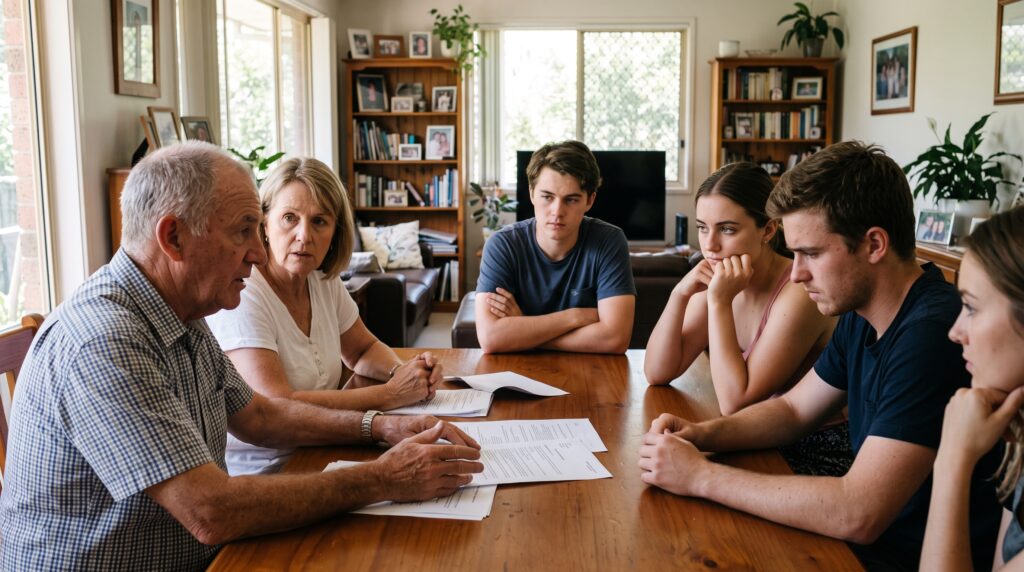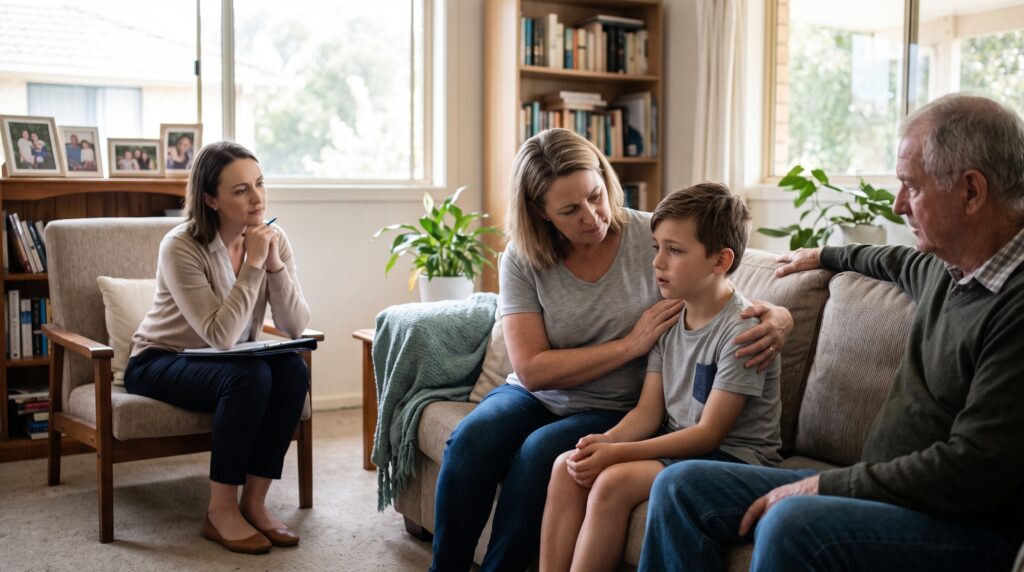
Foster care was designed to provide children with safety, but many of those children experience abuse while in care. While they grapple with what happened to them in their childhood, there’s also a lot of confusion about what could qualify for a legal claim, and victim-survivors of the care system deserve clarity about their rights and the possible paths to justice. We break down the signs and evidence that you qualify for the sexual abuse compensation scheme and what the next steps are in the pursuit of justice.
In addition to the National Redress scheme, child sexual abuse claims can be pursued through civil litigation or criminal charges.
What Counts as Abuse in Foster Care?
While many people think of abuse as being physical or sexual, other types of abuse can qualify for claims. We break down all five.
Physical Abuse
Physical abuse is classed as hitting, burning, shaking, or any excess force that inflicts physical pain, whether it leads to lasting or visible injuries or not.
Sexual Abuse
Sexual abuse is classed as any sexual exposure or activity with a child, whether it resulted in physical contact or there was a perceived “consent.” Children cannot consent. Showing children overtly sexual content is part of the grooming process and is classed as sexual abuse in the event of sexual abuse claims.
Emotional Abuse
Constantly criticising, withholding affection, and threatening a child are forms of emotional abuse, and these types of activities are a pattern of behaviour designed to destroy a child’s self-worth, which can have long-lasting effects.
Psychological Abuse
Psychological abuse leads to mental trauma, and it looks like isolation, gaslighting, and terrorising a child in an effort to exert control.
Neglect
Failure to provide the basics is neglect, and the basics are providing a safe living environment, which includes clothing, education, medical care, and adequate food.
It’s important to note that foster abuse can be at the hands of the foster carer, as well as government authorities, institution staff, and anyone else deemed responsible for the child’s care. It’s more than childhood sexual abuse and physical violence; abuse looks different in every situation.
Signs That Abuse in Foster Care May Have Occurred
Recognising the signs of abuse is the most critical step to determine whether you have a legal claim because while some signs are immediate, many victim-survivors don’t recognise the pattern until much later in life.
Physical Signs
- Frequent illness
A constant state of illness could suggest a lack of medical care.
- Poor hygiene
Unwashed clothing and a continued dirty appearance could suggest neglect.
- Malnutrition
Weight loss, food obsessions, or stunted growth may be signs of inadequate diet, whether it is not being provided or it’s being withheld as punishment.
- Unexplained injuries
Frequent burns, fractures, bruises, cuts, or welts with no consistent, clear explanation may be a sign of a bigger problem.
Emotional/Behavioural Signs
- A socially isolated child who has grown unusually quiet or lost interest in activities they once enjoyed.
- An anxiety-ridden child who engages in self-harm or has panic attacks.
- The child shows fear when around certain individuals, either people-pleasing, cowering, or showing extreme stress.
- A lifelong conflict around attachment, where the victim-survivor struggles with establishing trust and intimacy.
Institutional Warning Signs
- There is documentation regarding concerns, and no action was taken.
- There was a lack of supervision, evidenced by a lack of wellness checks or mandatory home visits.
- A pattern of a child being moved to different homes without an investigation into why the placement failed.
It’s common for survivors to recognise many of these signs later in life, which is why you should enlist trusted sexual abuse lawyers in Sydney to discuss your care.
How to Tell If Your Experience May Be a Legal Claim
You can make a legal claim decades after the fact because the limitation barriers were removed for many child abuse laws. How do you know whether your experience can be classed as a legal claim? Enlist the services of reputable family sexual abuse lawyers to discuss your case as soon as possible. In the meantime, you may have a claim if any of the following are applicable:
- You suffered emotional, psychological, physical, or sexual abuse or neglect while in the care system.
- The institution charged with your care failed to protect you, either because they failed to carry out the necessary background checks, perform mandatory visits, or ignored reports of abuse.
- The abuse you suffered has had a long-lasting impact on your well-being, whether it resulted in mental health conditions, emotional pain, or physical illnesses or injuries.
- There are medical reports, witnesses, or department files that support your account of what happened to you. Personal letters, journals or diaries, medical records, school records, witness statements, foster placement records, and institutional reports can all serve as evidence. Even partial evidence can help you build your care.
What if You Don’t Have Proof
Many victim-survivors worry that their word isn’t sufficient, especially in historical abuse cases. However, a lack of evidence doesn’t mean your case is over. You might not have the records now, but that doesn’t mean there aren’t any records that will support your case. Many institutions retain historical documents, and there may be witnesses you don’t know about. A lawyer can help you track down the necessary documents to support your case.
Legal Options
In addition to the National Redress Scheme, which offers capped awards and prevents future litigation, you could take the civil litigation route. While this carries a higher evidentiary threshold, it can also lead to higher compensation.
Don’t decide which path to take until you speak to a skilled lawyer. Prepare for your free case consultation by writing down your memories and gathering what records you can access. A lawyer can help you determine the best pathway for you, assist in collecting evidence, prepare legal submissions, and negotiate on your behalf.
At AJB Stevens, we work with you to establish the facts, identify the parties responsible, and fight for justice on your behalf. We are experienced in handling institutional abuse litigation, foster case abuse claims, child sexual abuse claims, and NRS claims. We provide trauma-informed legal support and advocate for you every step of the way.
Contact AJB Stevens today to arrange your free case consultation.